
High Alkalinity in Aquarium Water: When Is It a Problem?
A high aquarium alkalinity reading does not automatically mean the fish are being poisoned or that the pH is dangerously high. It means the water has a substantial capacity to…

A high aquarium alkalinity reading does not automatically mean the fish are being poisoned or that the pH is dangerously high. It means the water has a substantial capacity to…
Alkalinity is the ability of aquarium water to neutralize added acid. Think of it as a buffering reserve: it helps explain why the pH in one aquarium resists change while…
To raise alkalinity in a freshwater aquarium, confirm low KH with a suitable test, check the needs of the livestock and use a measured source-water or buffering plan. Ordinary aquarium…
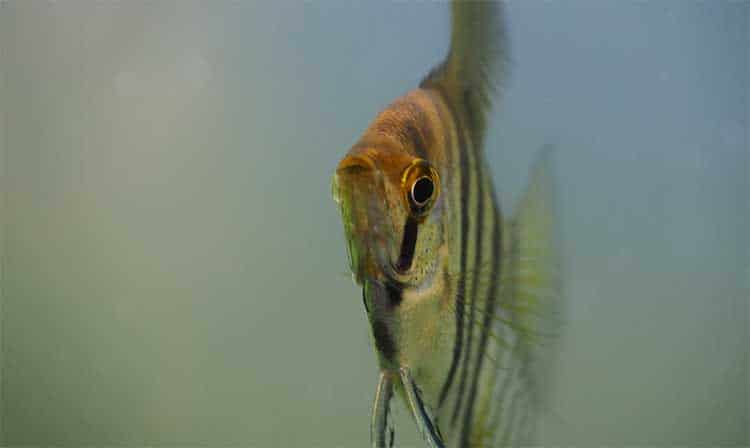
Cloudy water can harm fish when it accompanies low oxygen, unsafe chemistry, contamination or another serious problem. But a temporary haze of substrate dust is not the same situation as…
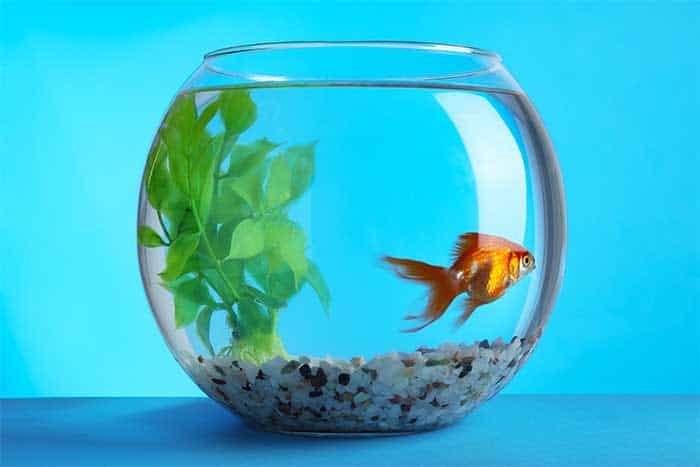
Clear aquarium water comes from matching maintenance and filtration to the cause of the haze. Dust, a bacterial bloom, suspended algae and dissolved tannins need different responses. There is no…
Distilled water can be useful in a fish tank, but it is not automatically ready-to-use aquarium water. It normally contains very little dissolved mineral content. That makes it useful for…
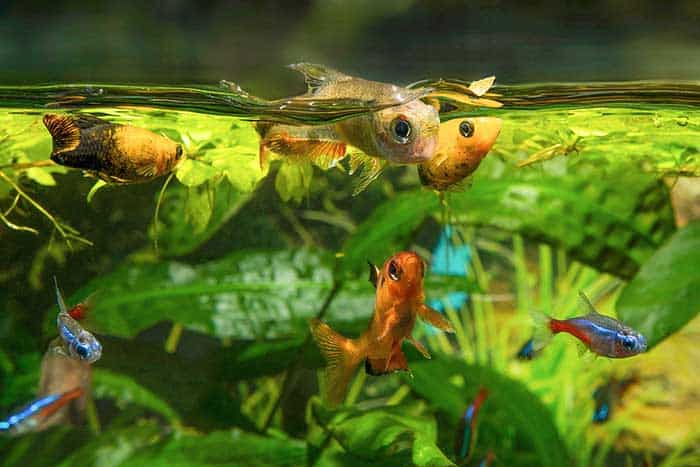
Some fish naturally spend time near the surface, and many approach it expecting food. But a sudden change, persistent gasping, rapid gill movements or several fish crowding the top can…
To reduce ammonia in a stocked fish tank, check the result, act promptly on the water-quality problem and protect the biological filter. A suitable partial water change can dilute ammonia…
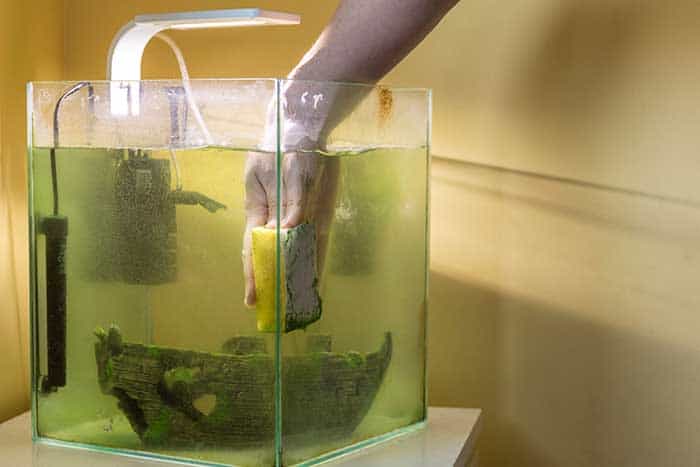
Hard-water stains are often the pale mineral deposits left where aquarium water evaporates. Remove them with tools and methods suited to the surface, keeping acid cleaners and runoff out of…
To lower alkalinity in a freshwater fish tank, first confirm that the result is a KH or alkalinity measurement—not simply a high pH reading. If the source water has more…

Cycling a fish tank means establishing biological filtration that can process the waste produced by its inhabitants. For a new aquarium, a controlled fishless cycle lets you develop and test…
You cannot reliably make a completely new biological filter mature in 24 hours. You may be able to set up a functioning aquarium quickly by transferring enough healthy, established filter…
To soften aquarium water, you need to reduce its dissolved calcium and magnesium—the minerals measured as general hardness, or GH. For many freshwater keepers, the most manageable approach is preparing…
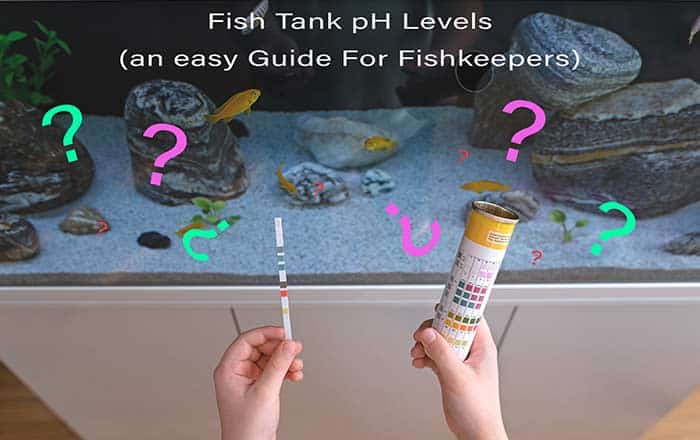
Fish tank pH describes how acidic or basic the water is. The right level depends on the animals you keep, and you do not need to force every aquarium to…
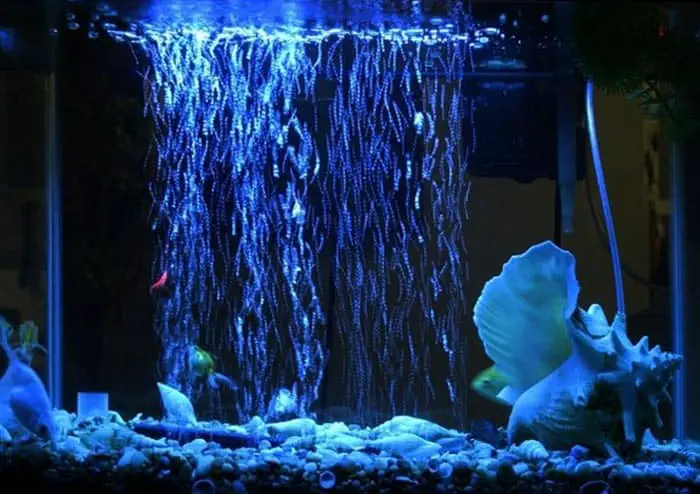
The most practical way to improve oxygen exchange in an aquarium is to keep suitable water moving at the surface. A correctly positioned filter outlet, air-driven sponge filter or air…