Do Clown Loaches Eat Snails? Feeding and Pest-Control Advice
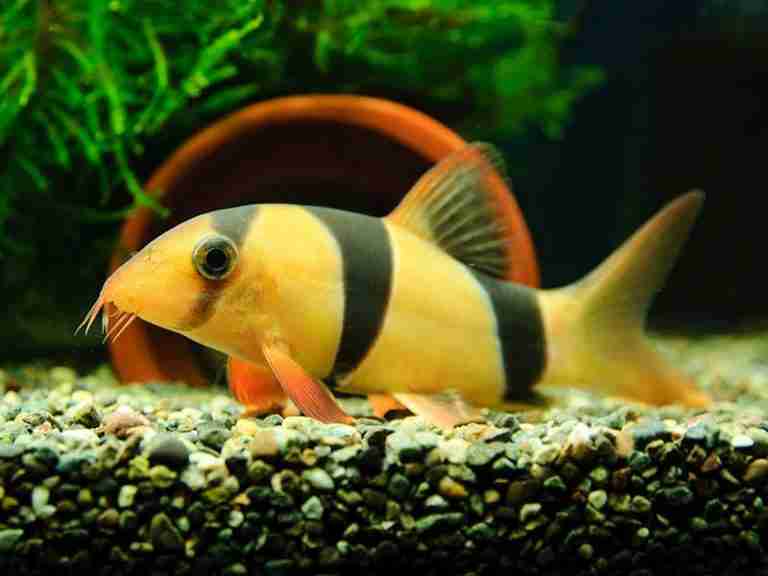
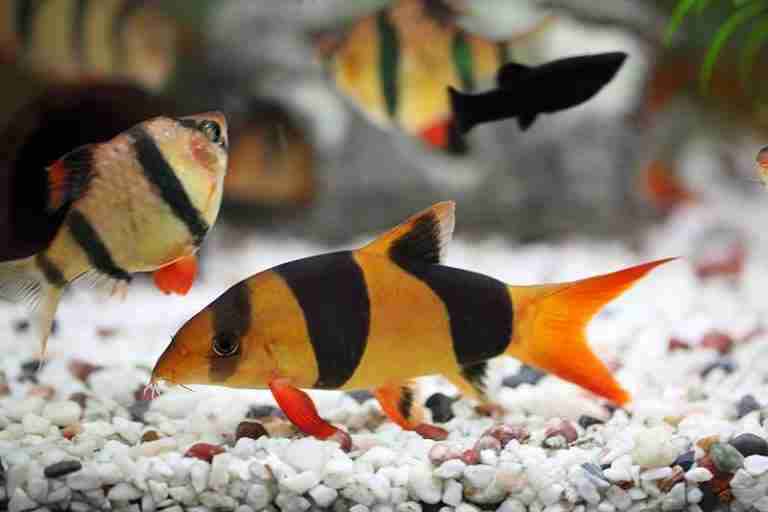
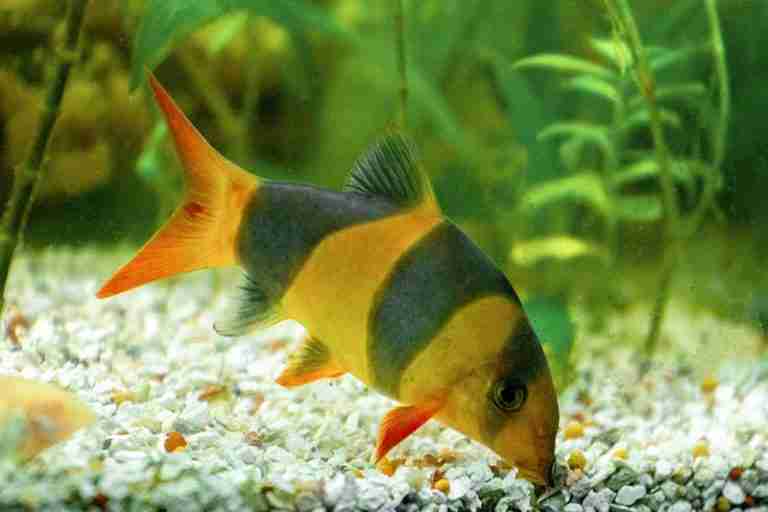
Yes, clown loaches eat snails. They naturally take advantage of snails they find while foraging, but buying loaches just to clear an infestation can leave you with a much bigger commitment. They grow large, need a group and require a suitable long-term aquarium even after the snails have gone.
If you already keep clown loaches, occasional snail-eating is not usually a reason to intervene. If you want to protect ornamental snails, however, do not assume size or a full feeding schedule will keep them safe.
Why do clown loaches eat snails?
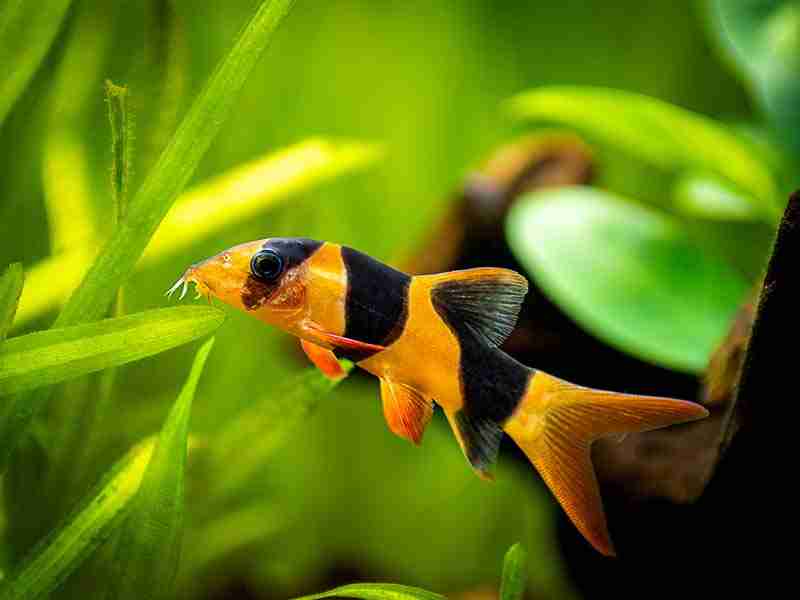
Clown loaches forage for animal foods as well as accepting other foods. The Seriously Fish species profile describes aquatic molluscs among their natural prey and specifically warns against treating them as the answer to a snail infestation.
A snail encountered while foraging may become food. The presence of empty shells can be a clue, but it is not a complete explanation for every dead snail: water conditions, lack of food and other inhabitants may also be involved. Check what you actually observe before attributing every loss to the loaches.
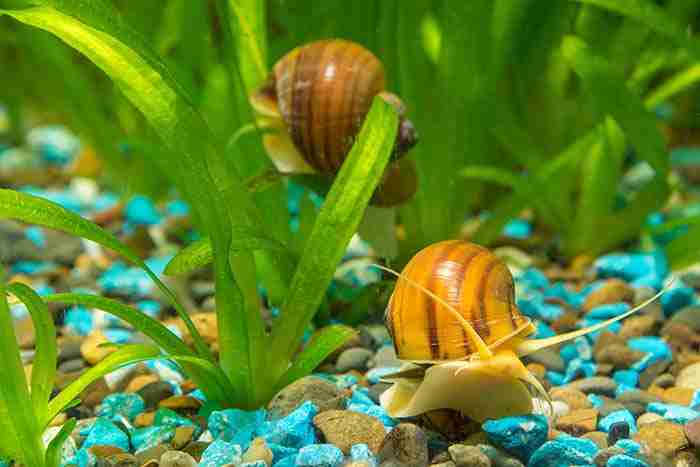
Will clown loaches remove every snail?
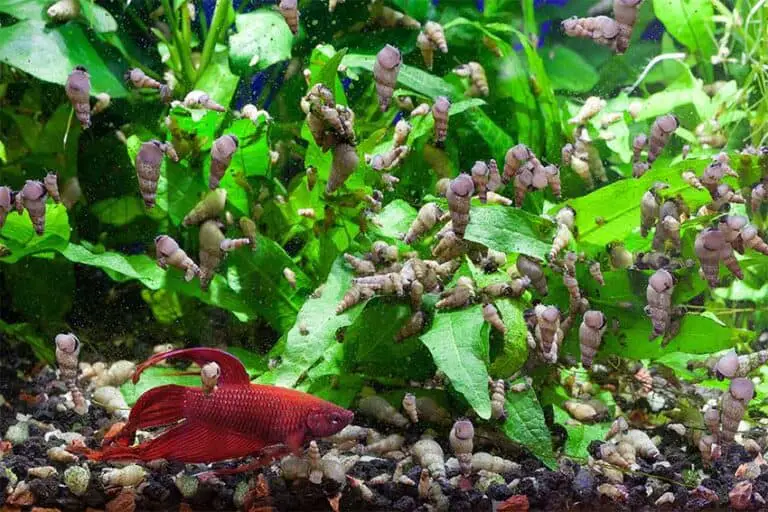
They may eat plenty of snails, but you cannot count on them to clear every one. Snails can remain in inaccessible places, continue breeding or be introduced again on plants and equipment. A few loaches are not a substitute for understanding why the aquarium is supporting a large snail population.
Do not withhold the loaches’ normal diet to encourage them to hunt. They still need adequate, varied food, and hunger is not a sensible pest-control method. Our feeding guide explains how to feed them deliberately rather than relying on what they find.
Should you buy them for pest control?
Only choose clown loaches if you want to keep the species and can meet its needs for the long term. Their large adult size and social requirements make them unsuitable as a quick fix in many tanks. Loaches Online highlights this mismatch between their frequent sale as snail-eaters and the accommodation they need.
| Your situation | Better next step |
|---|---|
| A small aquarium with too many pest snails | Review food input, remove snails manually and clean accessible debris. |
| A suitable large aquarium already housing a clown-loach group | Continue a balanced diet and regard snail-eating as possible behaviour, not guaranteed control. |
| Ornamental snails you want to protect | Keep them separately from potential predators rather than testing their safety. |
| A sudden increase after adding plants | Inspect new additions and review how snails may have entered the aquarium. |
| Considering another snail-eating species | Research its adult size, social needs, compatibility and long-term diet first. |
Replacing clown loaches with another predator does not remove the need for research. A smaller species can still be inappropriate for the tank, threaten other animals or require companions of its own.
Are mystery snails, nerites or large snails safe?
There is no reliable size cutoff that guarantees safety. Even if a loach cannot consume a whole snail, repeated attention can make the combination unsuitable. Shell size alone does not protect exposed soft parts.
If the snails are pets you want to keep, separate housing is the practical way to avoid the risk. Do not repeatedly return an injured or harassed snail to see whether the fish has changed its mind. Feeding more generously may alter interest, but it does not turn an uncertain combination into a dependable one.
Do clown loaches eat snail eggs?
Do not rely on them to destroy egg clutches or interrupt every snail’s breeding cycle. Eggs vary by snail species and may be placed where the fish cannot reach them. A loach may eat some eggs while leaving others untouched, so egg-eating is not a reliable way to stop the population breeding.
Inspect accessible leaves, hardscape and equipment when managing a breeding pest-snail population. Identify the snail before assuming an egg mass will hatch underwater or that every snail in the aquarium reproduces in the same way.
A practical snail-control plan without adding fish
First decide whether the snails are actually causing a problem. A small population may simply be visible while grazing on leftover food and other material. The aim need not be a sterile aquarium with no snails at all.
1. Review how much food enters the tank
Watch meals and look for food that repeatedly remains after the fish finish. Feed for the animals you keep, not for an imagined “cleanup crew.” Reduce excess gradually while making sure every fish still receives suitable food.
2. Remove accessible waste and snails
During normal maintenance, siphon accessible accumulations of debris and remove unwanted snails by hand or with an appropriate trap. Check traps frequently so animals are not left confined and decomposing food does not become another source of waste.
3. Inspect plants and new additions
Look over plants and hardscape before adding them. Quarantine or prepare new items appropriately for the animals and plants involved. Do not use an improvised chemical dip that could harm the plant or leave residues in the aquarium.
4. Reassess the cause if numbers rebound
If snails repeatedly return in large numbers, look again at feeding, trapped debris and introductions. Removing visible adults without changing the conditions supporting them may produce only a temporary result. The broader pest-snail management guide covers this process in more detail.
Can you feed garden snails to clown loaches?
There is no need to collect garden snails for this purpose. You may not know their exposure to pesticides or other contaminants, and outdoor collection makes identification and health control difficult. Use suitable aquarium foods from a trustworthy source instead.
If keeping and breeding aquatic snails as live food, research the source population and maintain it responsibly. Do not move material from an unknown or unhealthy aquarium into the display tank simply to provide a snack.
What should you do after a snail is eaten?
Check for remains and remove uneaten material during maintenance. If the loach feeds and behaves normally afterwards, there is usually nothing special to do. If you see persistent difficulty feeding, abnormal breathing or injury, assess water quality and seek appropriate help.
The wider decision remains the same: clown loaches are fish to keep for their own sake, with substantial space and social needs. Use the clown loach care guide to assess the whole setup before adding a group.
The video illustrates feeding behaviour. It shows what snail-eating looks like, but cannot tell you how many snails a group will remove in your tank.